Youth Photo Contests for Teens and Kids: How to Enter
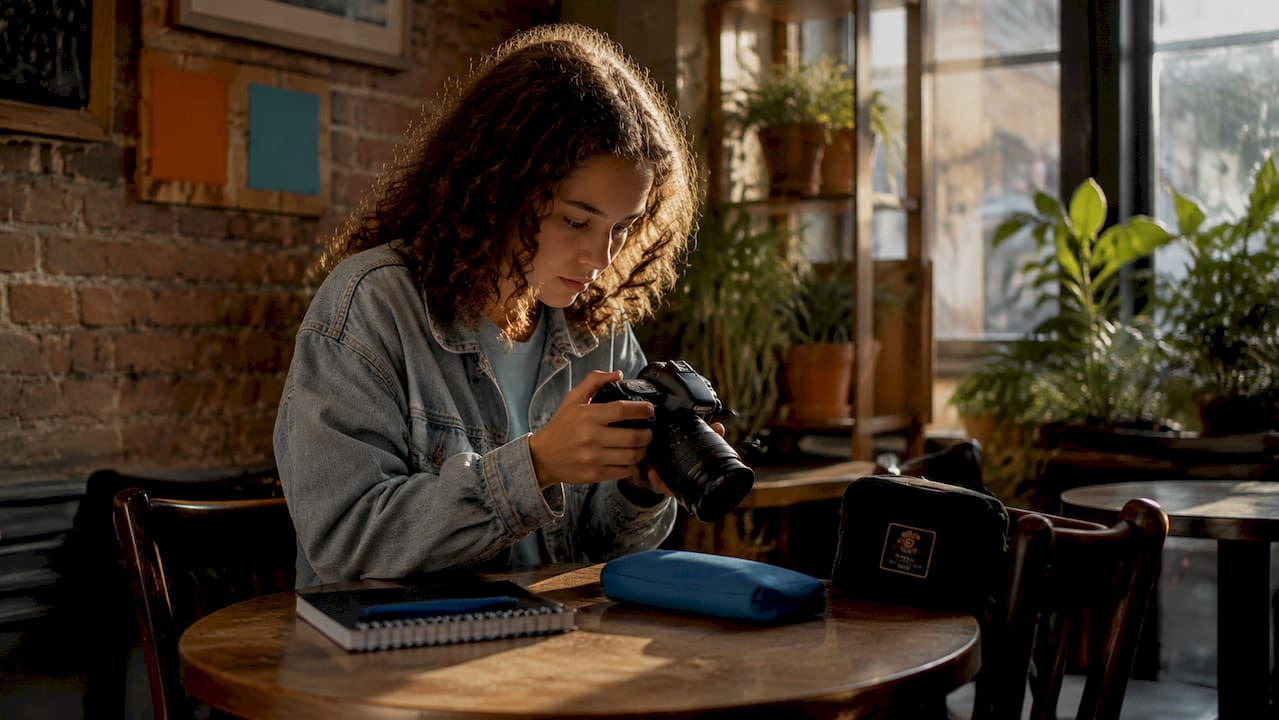
The strongest youth photo contests open right now include the Sony World Photography Awards Youth Competition, Young Wildlife Photographer of the Year, YoungArts, Scholastic Art & Writing Awards, the National Portrait Gallery Teen Portrait Competition, and the Congressional Art Competition. Your single next step: visit the official rules page for any contest that fits your age and subject, then cross-check deadlines and file specs on the Forphotographersonly contests directory before you submit.
Before you go further, run through this quick checklist:
Eligibility: Confirm your age falls within the contest’s bracket on the date of entry, not the date of announcement.
File size: Most contests require JPEG files of at least 1 MB; some specify minimum pixel dimensions.
Parental consent: Entrants under 18 almost always need a parent or guardian to sign the entry agreement.
Model release: If your photo includes a recognizable person other than yourself, check whether a signed release is required.
Previously awarded images: Top-tier contests such as Young Wildlife Photographer of the Year perform authenticity checks and may disqualify images that have already won elsewhere.
Pro Tip: Set a calendar reminder two weeks before each deadline. Contest portals often slow down or close early when traffic spikes on the final day.
Table of Contents
Which youth photo contests should you enter?
The table below covers the most reputable student photography competitions available to U.S. entrants, with the key facts you need to decide where to focus your energy.
Contest | Eligibility / Age | Entry Fee | Deadline / Frequency | Prizes | Scope |
Forphotographersonly contests directory | All ages (youth filters available) | €6/month subscription | Rolling / weekly updates | Access to 320–330 curated contests | International |
Sony World Photography Awards Youth | 19 and under | Free | June 1, 2026 – January 5, 2027 | Sony Digital Imaging kit, London exhibition, annual book | International |
10 & under; 11–14; 15–17 | Free | Annual (spring) | Exhibition at Natural History Museum, publication | International | |
13–17, U.S. residents | Free | Annual | Exhibition at National Portrait Gallery | U.S. only | |
YoungArts | 15–18 (or grades 10–12) | Free | Annual (October) | Cash awards, mentorship, national recognition | U.S. only |
Scholastic Art & Writing Awards | Grades 7–12 | Varies by affiliate | Annual (fall/winter) | Scholarships, exhibition, publication | U.S. only |
Congressional Art Competition | U.S. high school students | Free | Annual (spring) | Display in U.S. Capitol, local recognition | U.S. only |
13–17 | Free (youth division) | Annual | Publication in Audubon magazine | U.S. / international | |
Under 18 | Paid (varies) | Annual | Exhibition, publication, global recognition | International | |
Photographer’s Forum HS & College | High school and college students | Paid | Annual | Publication in Photographer’s Forum | U.S. / international |
Under 18 | Paid | Annual | Cash, publication, exhibition | International | |
Under 18 | Varies | Annual | Society recognition, exhibition | International | |
School-enrolled students | Varies | Annual | Educational prizes, sponsorships | U.S. | |
Youth-eligible categories | Varies | Periodic | Editorial exposure, mentorship | International | |
Local teens | Free | Annual | Local exhibition | Local (WI) |
A few notes on standout entries:
The Sony World Photography Awards Youth Competition is among the most accessible international options. It is free to enter, accepts up to one image per entrant per monthly challenge, and the current cycle runs through January 5, 2027. Winners receive Sony Digital Imaging equipment and are featured in the London exhibition and the annual awards book.
Young Wildlife Photographer of the Year divides youth entrants into three age groups (10 and under; 11–14; 15–17), accepts up to 10 images per entrant in an age category, and charges no entry fee for youth participants. The two-round anonymous judging and second-round authenticity checks make it one of the most rigorous and prestigious youth competitions globally.
The National Portrait Gallery Teen Portrait Competition draws over 1,100 entries annually. It is free, limited to U.S. residents aged 13–17, and accepts one JPEG portrait submitted by email. Finalists are exhibited at the gallery or in an online format, and teen jurors from the Teen Museum Council participate in selection alongside guest artists.
YoungArts is one of the most career-defining U.S. youth art competitions, offering cash awards, mentorship, and national recognition for photographers in grades 10–12. The Scholastic Art & Writing Awards operate through regional affiliates tied to schools, making entry straightforward for middle and high school students.
The Audubon Photography Awards Youth division is free for entrants aged 13–17, while adult entries carry a $15 per-image fee. Winners gain publication in Audubon magazine, a meaningful credential for anyone interested in conservation photography.
How do you prepare and submit a winning entry?
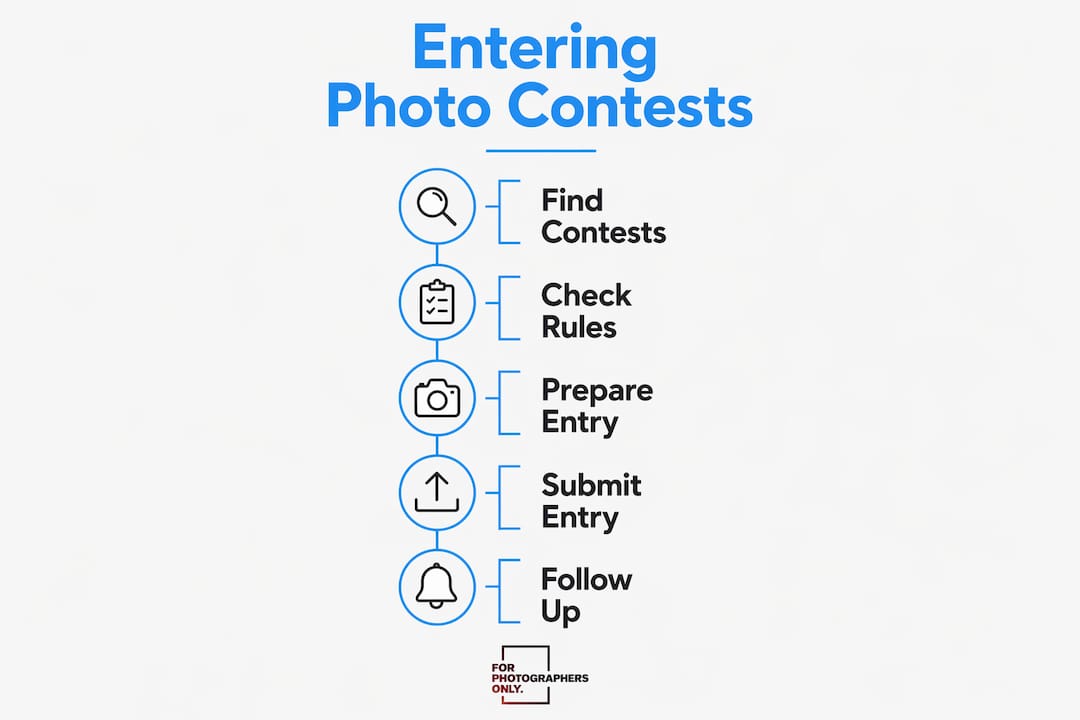
Technical disqualification is one of the most common reasons a strong image never reaches a judge. Follow this sequence to make sure your entry clears every gate.
Choose the right contest. Match your subject matter, age, and location to the contest’s eligibility criteria before investing time in preparation.
Read the official rules in full. Download or print the rules page. Note the age cutoff date, residency requirements, image ownership terms, and any restrictions on post-processing.
Check file specifications. Most contests require JPEG files. Local contests such as the Fond du Lac Teen Photo Contest specify a minimum file size of 1 MB and accept .jpg, .png, or .tif formats. The Sony Youth Competition requires JPEG files saved in the sRGB color model, no smaller than 1 MB. Confirm pixel dimensions if listed.
Name your files correctly. Use the naming convention the contest specifies. When none is given, a safe default is: LastName_FirstName_Title.jpg. Avoid spaces, special characters, or version numbers in file names.
Compress without losing quality. Export at the highest JPEG quality setting (90–100%) that keeps the file within the size limit. Tools such as Adobe Lightroom, Photoshop, or the free web app Squoosh let you preview quality before exporting.
Write a concise artist statement. Many youth contests ask for a one-sentence or short-paragraph caption. State what the image shows, why you made it, and how it connects to the contest theme. Keep it under 50 words unless the rules allow more.
Secure parental consent and model releases. If you are under 18, a parent or guardian typically must sign the entry agreement. If your image features a recognizable person, check whether a model release is required.
Back up your original RAW or high-resolution file. Once you submit, keep the unedited original. Top-tier contests may request it during authenticity verification.
Submit early. Upload at least 48 hours before the deadline. Portal traffic spikes on closing day and technical errors are more common.
Confirm receipt. Most online portals send a confirmation email. If you submit by email (as the NPG Teen Portrait Competition requires), request a read receipt or follow up if you have not heard back within 48 hours.
Pro Tip: When a contest allows multiple images, lead with your strongest single image. Judges often form an impression from the first image they see, and a weaker second or third image can dilute an otherwise compelling submission.
What are the eligibility rules, fees, and age brackets?
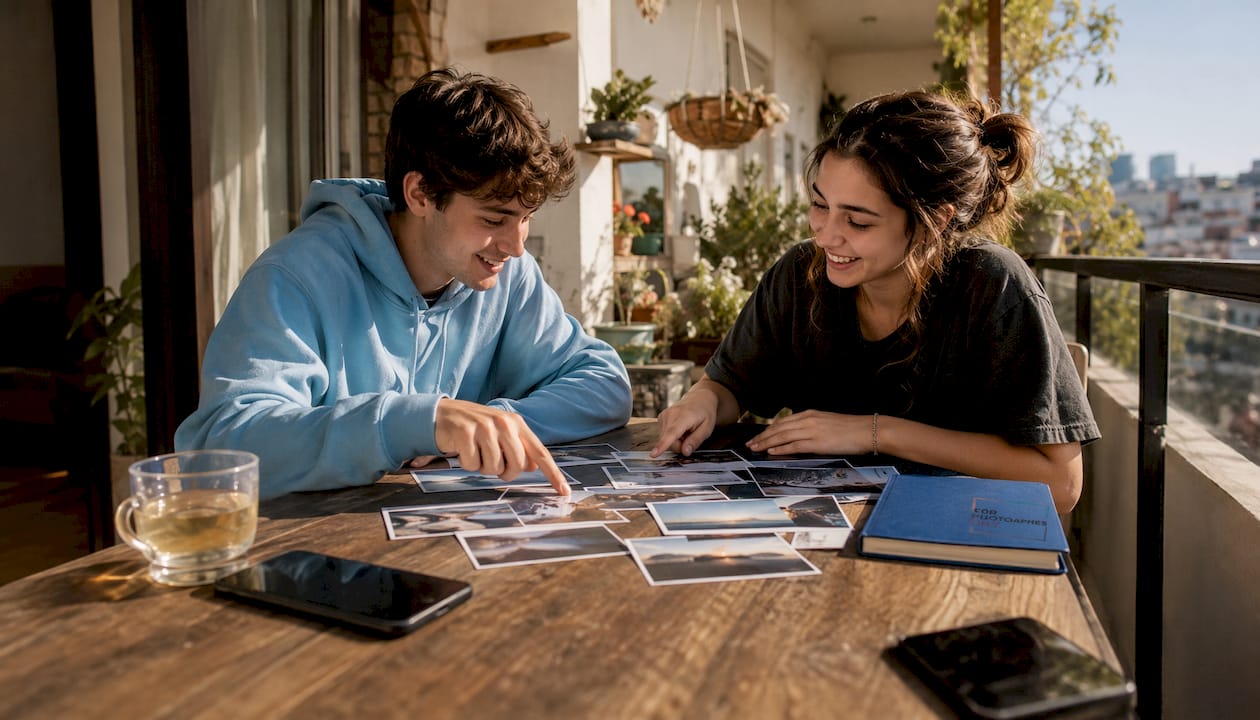
Youth photography competitions typically define age brackets in one of three ways: a single cutoff (19 and under), tiered groups (10 and under; 11–14; 15–17), or school-grade ranges (grades 7–12). The age that counts is almost always your age on the entry closing date, not the date the photo was taken or the date winners are announced.
Common age brackets to know:
10 and under / 11–14 / 15–17: Used by Young Wildlife Photographer of the Year; each bracket is judged separately.
13–17: Audubon Photography Awards Youth division and the NPG Teen Portrait Competition.
19 and under: Sony World Photography Awards Youth Competition, open globally.
Grades 10–12 (roughly 15–18): YoungArts and Scholastic Art & Writing Awards.
High school enrollment: Congressional Art Competition; eligibility is tied to enrollment, not age.
Residency and citizenship restrictions vary significantly. The NPG Teen Portrait Competition is limited to U.S. residents, as is the Congressional Art Competition. The Sony Youth Competition and Young Wildlife Photographer of the Year are open internationally. Always confirm on the official rules page, since some contests that appear international exclude certain countries.
Fee patterns follow a consistent logic: youth divisions are frequently free, while adult or open divisions charge per-image fees. The Audubon Youth division charges nothing for entrants aged 13–17, while adult entries cost $15 per image. The Sony Youth Competition is free for all entrants. Local library and school-based contests are almost always free. Photographer’s Forum and Travel Photographer of the Year: Young TPOTY carry entry fees; check their current rules pages for exact amounts.
Pro Tip: If a contest charges a fee and you are unsure whether it is worth it, look up the previous year’s winner gallery first. If the caliber of winning work is significantly beyond your current level, consider entering a free contest to build your portfolio before investing in paid entries.
One important legal note: when you enter a contest, read the image rights clause carefully. Most reputable contests ask for a non-exclusive license to display your work; a few request broader rights. You should retain ownership of your photograph unless the rules explicitly state otherwise, and a parent or guardian should review this clause for any entrant under 18.
What do judges look for, and how can your entry stand out?
Judges at top youth competitions consistently prioritize freshness of composition, genuine emotion, and authentic narrative over technical perfection. A sharp, well-exposed image that says nothing will rarely beat a slightly imperfect frame that carries a real story.

Museum-run contests add another layer. The NPG Teen Portrait Competition notes that winning work tends to engage topical, contemporary issues, and its jury includes teen members from the Teen Museum Council alongside guest artists. That peer-led structure means authenticity and resonance with youth perspectives carry real weight in the final selection.
Theme alignment is equally decisive in contests organized around a specific subject. UNESCO’s youth photography initiatives, for example, explicitly reward entries that connect the image and its caption to the stated theme, whether that is cultural heritage, the environment, or social advocacy. Linking your photograph and your artist statement directly to the theme is not a formality; it is a competitive advantage.
Practical creative tips for teen entrants:
Choose one strong image over a series. When a contest judges on a single image, your best frame should do all the work. Resist the urge to submit three “pretty good” images when one exceptional one exists.
Edit with restraint. Many contests prohibit heavy compositing or AI-generated elements. Clean, honest editing that enhances rather than transforms the original scene is both safer and more compelling to most juries.
Write a caption that adds meaning. A caption that explains what the viewer cannot see (the context, the moment before, the subject’s story) elevates an image from a photograph to a statement.
Link your image to the contest theme explicitly. If the theme is “living heritage” or “the natural world,” your caption should name that connection. Judges reading hundreds of entries notice when an entrant has thought carefully about the brief.
Pro Tip: Before submitting, show your shortlisted image to someone who was not present when you took it. If they can describe what the photo is about without prompting, the narrative is working. If they ask questions, your caption needs to do more.
How can you tell if a photo contest is legitimate?
Not every competition that calls itself a “youth photography award” deserves your time or your image rights. A few straightforward checks separate credible contests from exploitative ones.
Legitimacy checklist:
Official rules page: The contest publishes a complete, dated rules document with eligibility, submission requirements, judging criteria, prize terms, and copyright clauses.
Named jurors or partner institutions: Credible contests name their judges or identify the institution running the jury (a museum, publisher, or professional society).
Published past winners: A gallery or archive of previous winners is one of the clearest signals of an established, ongoing competition.
Transparent fees and refund policy: If a fee is charged, the rules explain what it covers and whether refunds are available if the contest is canceled.
Contact information and privacy policy: A legitimate contest provides a real contact address and explains how entrant data is used.
No unsolicited “you won” notifications: If you receive an email congratulating you on winning a contest you never entered, it is a scam.
Red flags to watch for:
Requests to transfer full copyright of your image as a condition of entry, with no compensation.
Non-refundable “processing” or “handling” fees required to receive a prize.
No named judges, no institutional affiliation, and no archive of past winners.
Vague prize descriptions (“exposure,” “recognition”) with no concrete deliverable.
To verify a contest, cross-reference its official page with institutional sources (museum websites, publisher pages, professional photography societies) and check whether it appears in curated directories. The Forphotographersonly contests directory vets listings before publishing them, which makes it a reliable starting point for identifying legitimate opportunities.
How we chose these contests
Every contest featured in this article was shortlisted against four criteria: transparent and publicly available rules, a youth-specific division or age category, a meaningful prize (exhibition, publication, cash, or gear), and a reputable host institution with a verifiable track record.
Sources and vetting steps:
Official contest pages (Natural History Museum, National Portrait Gallery, World Photography Organisation, Audubon Society, U.S. House of Representatives).
Institutional program pages for YoungArts, Scholastic Art & Writing Awards, and the Photographic Society of America.
The Forphotographersonly contests directory, which maintains a curated list of 320–330 active international photography competitions with weekly updates, youth-division filters, and free-entry tags.
Review of past winner galleries and archived judging criteria to confirm each contest’s ongoing credibility.
Contests were excluded when rules pages were unavailable, when past winners could not be confirmed, or when the host institution lacked a verifiable public profile. Fee-based contests were included only when the prize and institutional credibility justified the cost for a youth entrant.
Key Takeaways
The most competitive youth photography entries combine technical compliance, strong narrative, and deliberate theme alignment — not just photographic skill alone.
Point | Details |
Check eligibility first | Confirm your age on the closing date and any residency requirements before preparing your entry. |
Follow file specs exactly | Most contests require JPEG files of at least 1 MB; technical errors are among the most common disqualification reasons. |
Save standout images for top-tier contests | Top competitions perform authenticity checks and may disqualify images previously awarded elsewhere. |
Story beats gear | Judges at museum-run and institutional contests consistently favor authentic narrative and theme alignment over technical perfection. |
Forphotographersonly for discovery | The Forphotographersonly directory tracks 320–330 active contests with youth filters and weekly deadline updates. |
Why entering matters more than winning
The conventional wisdom around youth photography competitions frames them as auditions, high-stakes moments where a single image either opens doors or closes them. That framing does young photographers a disservice. The real value of entering a contest is not the result; it is the discipline of selecting one image from hundreds, writing a caption that holds up under scrutiny, and submitting work to a jury that has no obligation to be kind.
Peer-led juries, like the Teen Museum Council at the National Portrait Gallery, are increasingly common in youth-focused competitions. Their presence signals something worth noting: the work that resonates with other young people tends to be honest, specific, and rooted in a real moment rather than a technically polished but emotionally neutral frame. That is an advantage youth photographers hold over more experienced entrants who have learned to produce competent, safe work.
The photographers who benefit most from these competitions are not always the ones who win. They are the ones who enter consistently, read the feedback when it is offered, and treat each submission as a deliberate creative decision rather than a lottery ticket. A shortlist mention at a local library contest and a finalist placement at YoungArts are both evidence of the same habit: showing up, submitting, and learning from the process.
Forphotographersonly: your curated contest directory
Finding legitimate youth photography competitions across dozens of institutional websites takes hours. Forphotographersonly consolidates that search into a single, continuously updated directory covering 320–330 active international contests, including over 100 free-to-enter opportunities, with filters for youth divisions, free-entry tags, and chronological deadline sorting.
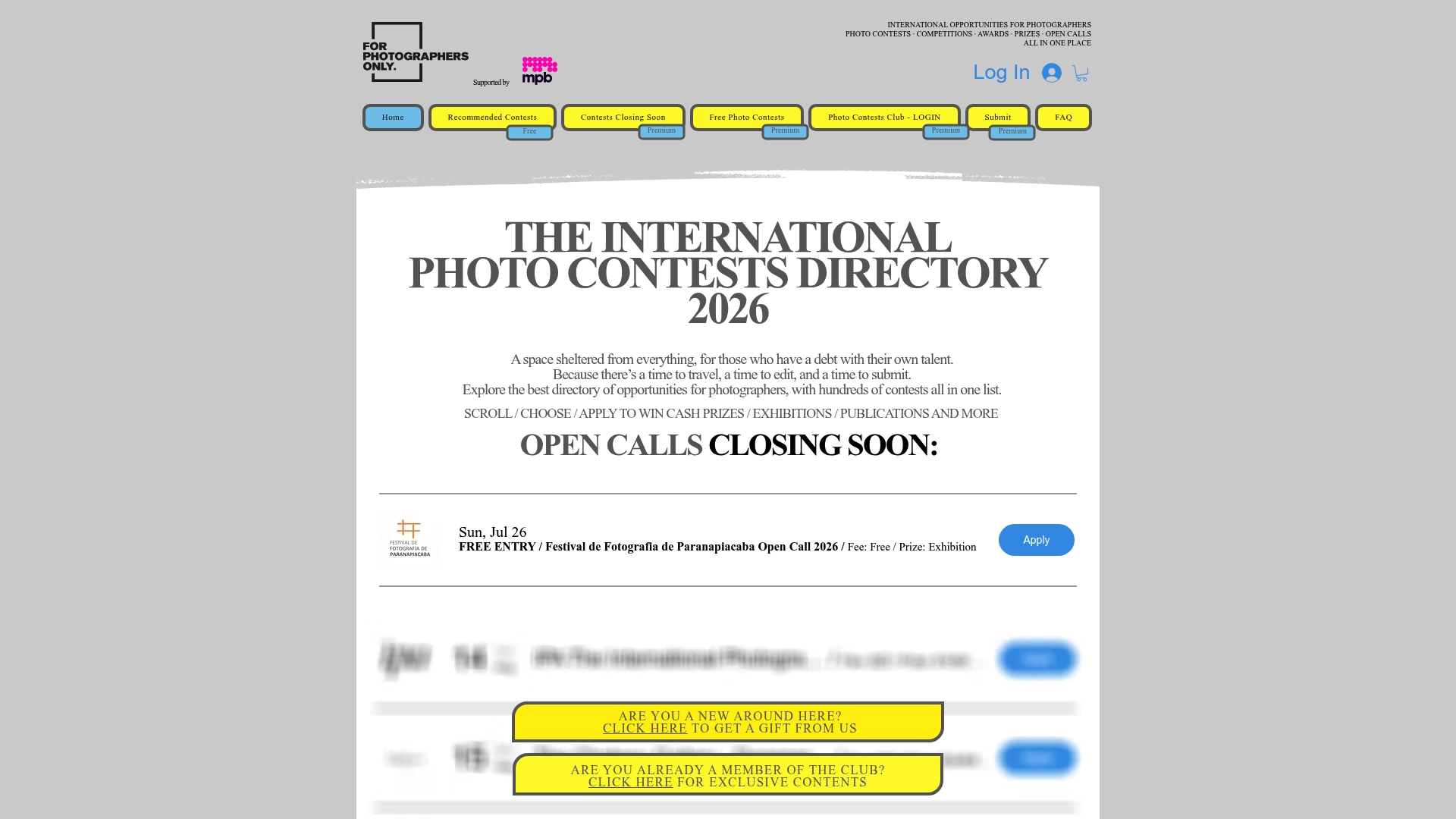
For students and parents tracking multiple deadlines across the school year, the weekly update cycle means you never rely on an outdated rules page. The directory covers competitions from institutions like National Geographic, Nikon, Canon, and Leica alongside niche contests and lesser-known calls that rarely appear in standard search results. A subscription costs €6 per month, and a free trial is available for new members.
Browse the contest directory to find youth divisions, confirm current deadlines, and filter by free entry — all in one place.
Official contest pages and resources worth bookmarking
These are the primary sources to visit for current rules, submission portals, and past winner galleries. Bookmark the ones relevant to your age and subject, and set calendar reminders at least two weeks before each deadline.
Sony World Photography Awards Youth Competition: Current rules, entry portal, and prize details for the open cycle (June 2026 – January 5, 2027).
Young Wildlife Photographer of the Year: Age group rules, image limits, authenticity check policy, and past winner galleries at the Natural History Museum.
Teen Portrait Competition, National Portrait Gallery: Submission instructions (email JPEG), U.S. residency requirements, and exhibition details.
Audubon Photography Awards: Youth division entry, fee structure, and conservation-focused judging criteria.
Congressional Art Competition: District-level entry process and display information for U.S. high school students.
Fond du Lac Public Library Teen Photo Contest: Local eligibility, file specs (1 MB minimum, .jpg/.png/.tif), and print submission options.
Forphotographersonly contests directory: The ongoing discovery resource for updated deadlines, youth filters, and free-entry tags across 320–330 active competitions.
For photographers building toward higher-level competitions, understanding how to select and prepare for the right photography workshop can sharpen the skills that distinguish finalists from the broader field.
Recommended