RAW vs. JPEG for Photography Contests: The Format That Wins
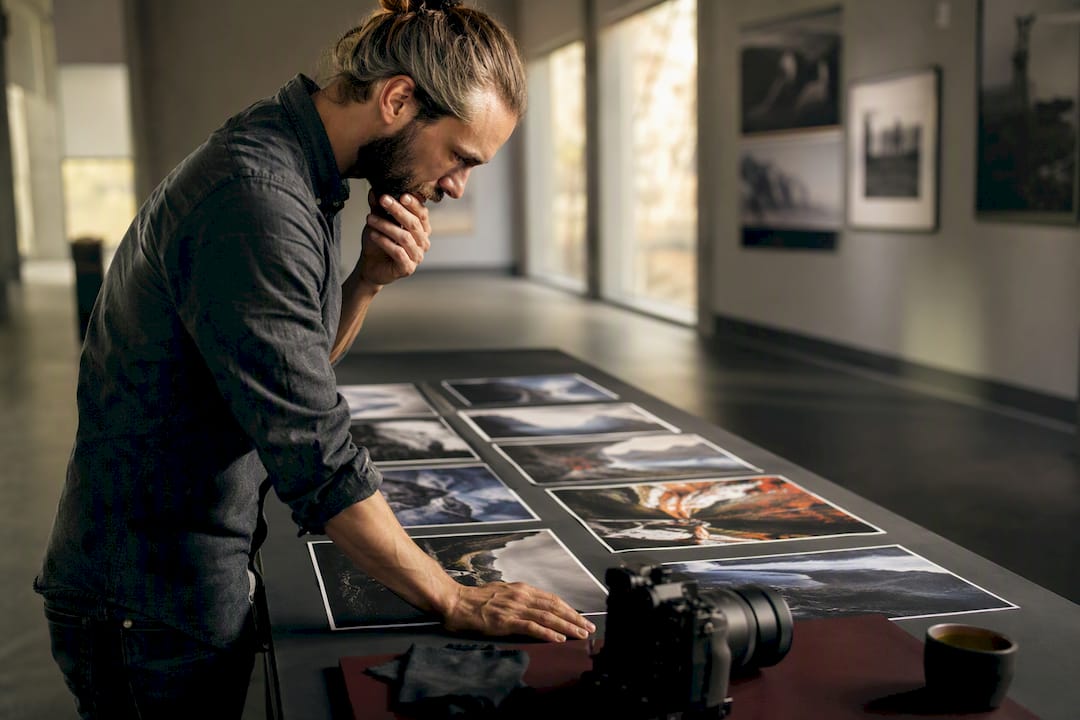
Shoot RAW for flexibility. Submit whatever format the contest requires, which is almost always JPEG. If your camera allows it, shoot RAW+JPEG simultaneously and export a contest-ready JPEG from your RAW master. This gives you editing latitude during post-production and full compliance with entry rules.
Contest organizers build their systems around JPEG because it is light, fast, and easy to process across thousands of entries. RAW enters the conversation later, usually only after you have already won or reached finalist status.
Capture: Shoot RAW+JPEG whenever your camera supports it.
Submit: Export a JPEG that meets the contest’s exact size and pixel rules.
Prepare: Keep your original RAW file untouched and easy to locate.
Expect: Many contests require initial entries as JPEG or PNG, with size and dimension caps that RAW files simply cannot meet.
Key Takeaways
Contest success depends on matching your capture format to the rules, then keeping RAW files organized enough to prove your work within a 72-hour verification window.
Point | Details |
Shoot RAW+JPEG together | Capture both formats so you retain editing latitude while meeting JPEG submission rules. |
Respect the size caps | Export JPEGs under roughly 10 MB with long-edge pixels between 1200 and 2000, depending on the contest. |
Archive originals immediately | Store untouched RAW files with original filenames so you can respond fast to verification requests. |
Edit within accepted limits | Stick to exposure, white balance, and cropping; avoid composites or heavy manipulation that RAW review can expose. |
Confirm rules before shooting | Check each contest’s specific format, resolution, and verification policy rather than assuming general standards apply. |
Table of Contents
Raw vs. Jpeg Contests: Understanding the Submission Rules
Every major photography contest builds its intake system around compressed files, and that single fact drives most of the RAW vs. JPEG contests debate. Organizers accept JPEG or PNG for initial entries because these formats are small, standardized, and fast to process through judging software. A RAW file from a modern mirrorless camera can run 40 to 80 megabytes; a well-compressed JPEG holds the same image in a fraction of that size.
Most contests cap initial submissions at around 10 MB, with long-edge minimums between roughly 1200 and 1500 pixels. Some wildlife and nature competitions push those numbers higher. The Wildlife Photography Contest requires digital files between 1500 and 2000 pixels on the long edge, still capped near 10 MB for file size.
A typical contest wants a JPEG no larger than roughly 10 MB, with a long edge between about 1200 and 2000 pixels depending on the competition.
Print and digital categories diverge sharply in what they need:
Digital/online categories typically specify 72 to 150 ppi, since screens display at fixed pixel dimensions regardless of stated resolution.
Print categories usually demand 300 ppi at the final print size, which often means submitting a larger file or a different export entirely.
Mixed-category contests sometimes ask for one file that satisfies both, so check whether print finalists must resubmit at higher resolution.
Reading these specs before you shoot, not after you edit, saves you from cropping a beautiful frame down to a rejected file size.
Why Shooting RAW Still Matters for Serious Entrants
JPEG rules the submission gate, but RAW still wins the image inside the camera. A RAW file preserves far more tonal and color information than an in-camera JPEG, and that difference shows up exactly where contest judges look hardest: recovered highlights, clean shadow detail, and accurate color under mixed lighting.
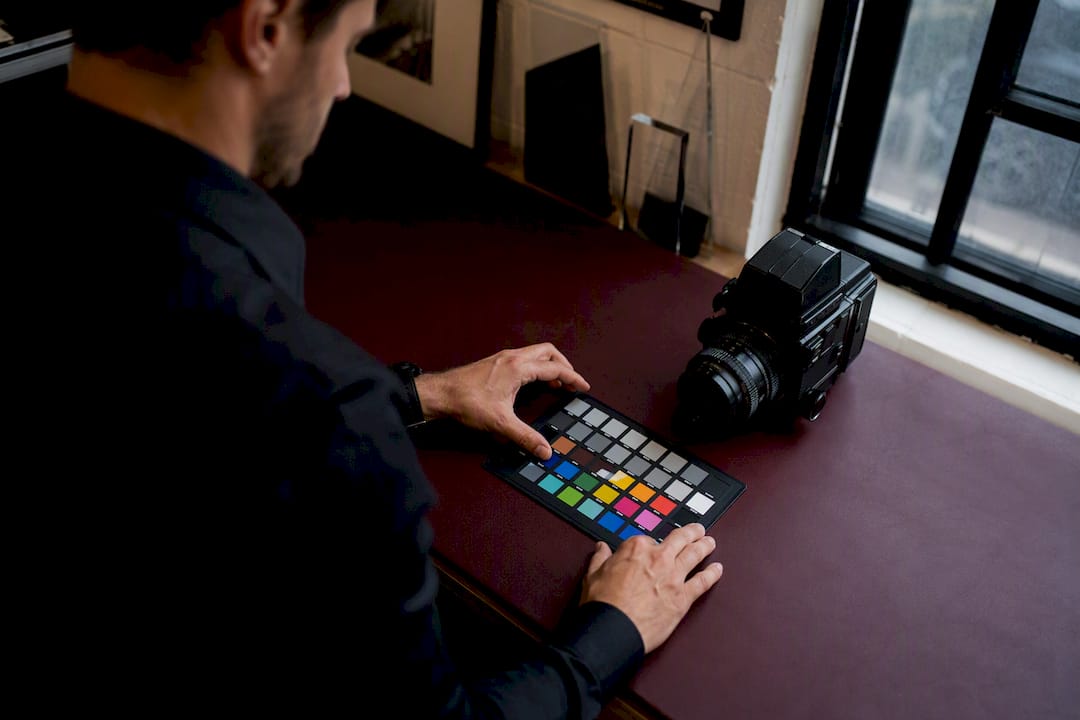
Shooting RAW gives you greater latitude for highlight recovery, white balance correction, and shadow refinement than a compressed JPEG ever allows. Once a JPEG clips a highlight or crushes a shadow, that data is gone. A RAW file often lets you pull detail back from the same scene without introducing banding or noise.
Three technical advantages stand out for contest work specifically:
Tonal latitude: Recover blown skies or dark foregrounds without visible artifacts.
White balance control: Correct color casts from mixed lighting (tungsten mixed with daylight, for example) without degrading image quality.
Local adjustment precision: Dodge, burn, and selectively sharpen with far more headroom before you see quality loss.
Print judging rewards this latitude even more than screen judging does. A print blown up to 16x20 inches exposes every compression artifact and every clipped highlight that a small screen thumbnail hides. Photographers submitting to categories with a print round routinely find that their RAW-edited files hold up under scrutiny that a straight-from-camera JPEG cannot survive.
Pro Tip: Edit your RAW file at full bit depth in a 16-bit working space, then flatten and export to 8-bit JPEG only at the very last step. Editing in 8-bit first and converting later locks in banding you can never fully undo.
None of this means JPEG is a weak format. It means RAW gives you more room to fix problems before you ever touch export settings, which matters most when a scene fights you: harsh midday sun, a fast-moving subject, or a mixed-lighting interior shot.
When Shooting or Submitting Jpeg Makes Sense
RAW is not always the smarter move. Some situations call for JPEG outright, either because rules require it or because the workflow demands speed over flexibility.
The contest explicitly requires JPEG only. Many awards, including vendor-hosted competitions, only accept a final edited JPEG or PNG and ask entrants to describe their editing process and camera settings alongside the file.
Fast-turnaround categories leave no time for a full RAW workflow. Breaking news, event coverage, and same-day social categories reward speed. A clean, well-exposed JPEG straight from the card beats a RAW file you never had time to process.
Mobile-only submissions limit your options anyway. Contests built around phone photography often expect JPEG natively, since most phone camera apps do not shoot true RAW by default.
You shoot in stable, predictable light with an experienced eye. A photographer who nails exposure and white balance in-camera can produce a contest-ready JPEG without ever opening RAW software.
If you go the JPEG route, set your camera to its highest JPEG quality setting, choose sRGB as your color space, and dial in minimal in-camera sharpening. Applying heavy sharpening at capture limits your ability to fine-tune it later, and over-sharpened JPEGs tend to show halos that judges notice immediately in a print round.
Contest Verification: Why Judges Ask for Your Original File
Winning a contest often triggers a second, quieter test: proving the image is really yours and really what you claim it is. Reputable competitions build verification into their process precisely because JPEG entries can hide a lot of manipulation.
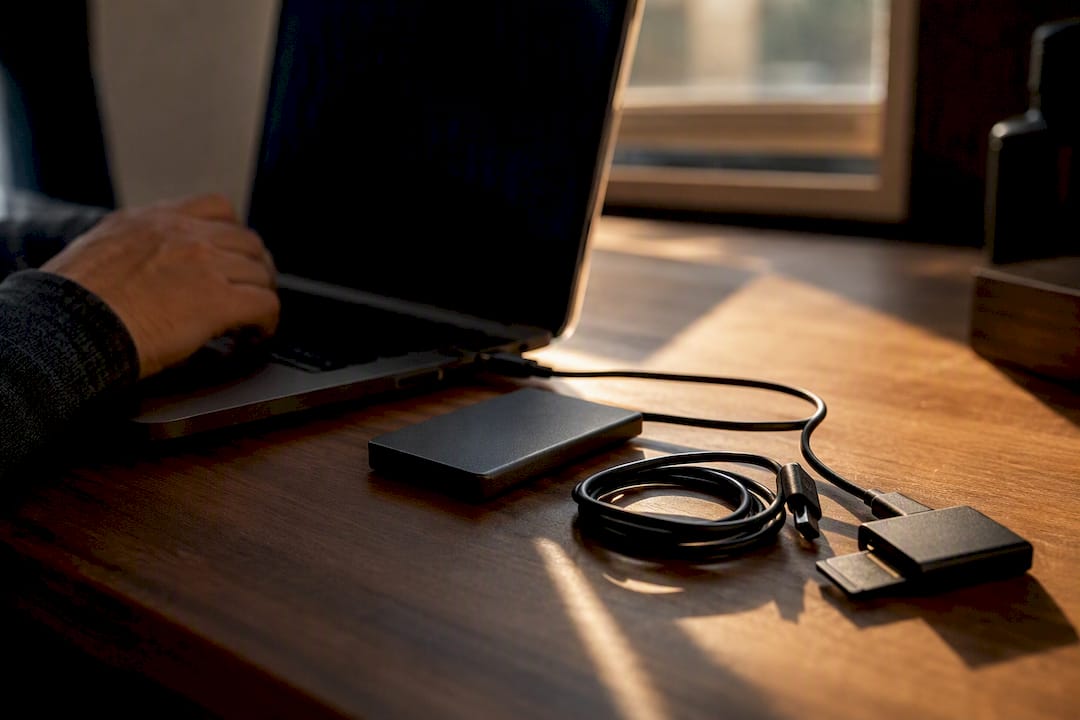
World Press Photo’s verification process requests the original camera file, RAW or original camera JPEG, from finalists, and organizers commonly give a 72-hour window to supply it. Miss that window, and disqualification is the standard consequence, regardless of how strong the image is.
Why does this matter so much to organizers? A few recurring concerns drive the policy:
Composite detection. RAW metadata and sensor data reveal whether multiple frames were blended into one image.
Excessive manipulation. Organizers compare the RAW’s baseline exposure and color against the submitted JPEG to spot edits that exceed contest limits.
AI-generated or AI-assisted content. As generative tools spread, verification has become the primary defense against synthetic images entering legitimate competitions.
The stakes are real. Denmark’s Picture of the Year competition rejected a winning entry after RAW review revealed surreal color adjustments inconsistent with the contest’s editing rules. The photographer’s JPEG looked compliant. The RAW file told a different story.
A short response window of about three days is the common standard finalists face when organizers request original files for verification.
The lesson holds regardless of which contest you enter: never submit an edit you cannot defend once your RAW file is on the table.
Your Step-by-Step Workflow for Contest-Ready Files
A repeatable process keeps you from scrambling when a verification request lands in your inbox 48 hours before a deadline.
Capture in RAW+JPEG mode. Enable both formats in your camera’s menu before the shoot. Bracket exposures in tricky lighting so you have backup frames if your primary shot needs highlight or shadow recovery.
Edit with restraint. Judges and verification reviewers generally accept exposure correction, white balance adjustment, cropping, and standard dodge-and-burn work. Edits likely to raise questions include heavy sky replacement, cloned-in elements, and composite blending across multiple frames. When in doubt, check the specific judging criteria for the contest you’re entering.
Export deliberately. Convert to sRGB unless the contest specifies Adobe RGB or ProPhoto RGB. Set the long-edge pixel count to match the contest’s stated minimum or the print DPI requirement. Apply modest output sharpening suited to the final display size, and confirm your file lands under the stated size cap before you upload.
Archive your RAW files immediately. Store them in a dedicated folder using your camera’s original filenames and timestamps, untouched. If a contest calls asking for your original file, you want to hand it over in minutes, not hours spent hunting through backup drives.
Pro Tip: Name your archive folders by contest and deadline date, not just by shoot date. When a verification request arrives months after you submitted, you will thank yourself for being able to find the exact file in seconds.
This workflow doubles as an investment in editing skill rather than gear. Improving your RAW-to-final-image process tends to move contest results more than a marginal camera upgrade ever will. If your workflow involves video alongside stills, particularly for FPV or drone-based competition categories, a structured capture-to-edit pipeline matters just as much for footage as it does for photographs.
Finding Contests With Clear Format Rules
Not every contest publishes its RAW and JPEG policies clearly, and that ambiguity causes more disqualifications than bad photography ever does. Forphotographersonly maintains a curated, weekly-updated directory of active competitions, and entry specs, including file requirements and verification policies, are part of what we track for each listing.
Before you submit anywhere, treat the official rules page as the final word. Community advice, including this article, gives you a strong starting framework, but individual contests vary on pixel minimums, color space requirements, and verification windows.
A few resources worth bookmarking as you prepare submissions:
A rules template for checking copyright, licensing, and technical specs before you enter.
A judging criteria rubric that breaks down what judges weigh beyond raw technical compliance.
A judge-backed strategy guide covering how finishing choices affect scoring.
If you also want your work seen beyond contest wins, whether through gallery representation or editorial features, building your visibility through channels like photography-focused discoverability services can extend the reach of a strong contest track record.
Where Serious Entrants Should Focus Their Effort
The RAW vs. JPEG debate gets treated as a binary choice more often than it deserves. It isn’t one. The real skill contest photographers need isn’t picking a format. It’s understanding that the format question resolves itself the moment you read a contest’s actual rules, and that most disqualifications trace back to sloppy file prep, not weak images.
Conventional advice tends to oversell RAW as some kind of competitive advantage. It isn’t, by itself. A poorly composed RAW file edited into a technically perfect JPEG still loses to a strong JPEG shot with good instincts. What RAW actually buys you is insurance: room to fix a lighting mistake, and a verifiable record if a contest ever questions your edit.
If you take one thing from this guide, let it be this: build your archive habit before you need it. The photographers who lose contests over technicalities almost never lose because they shot the wrong format. They lose because they couldn’t produce the file that proved they earned the win.
— DARIO
Sources
Recommended