Photography Trends 2026: The Shifts Defining the Art
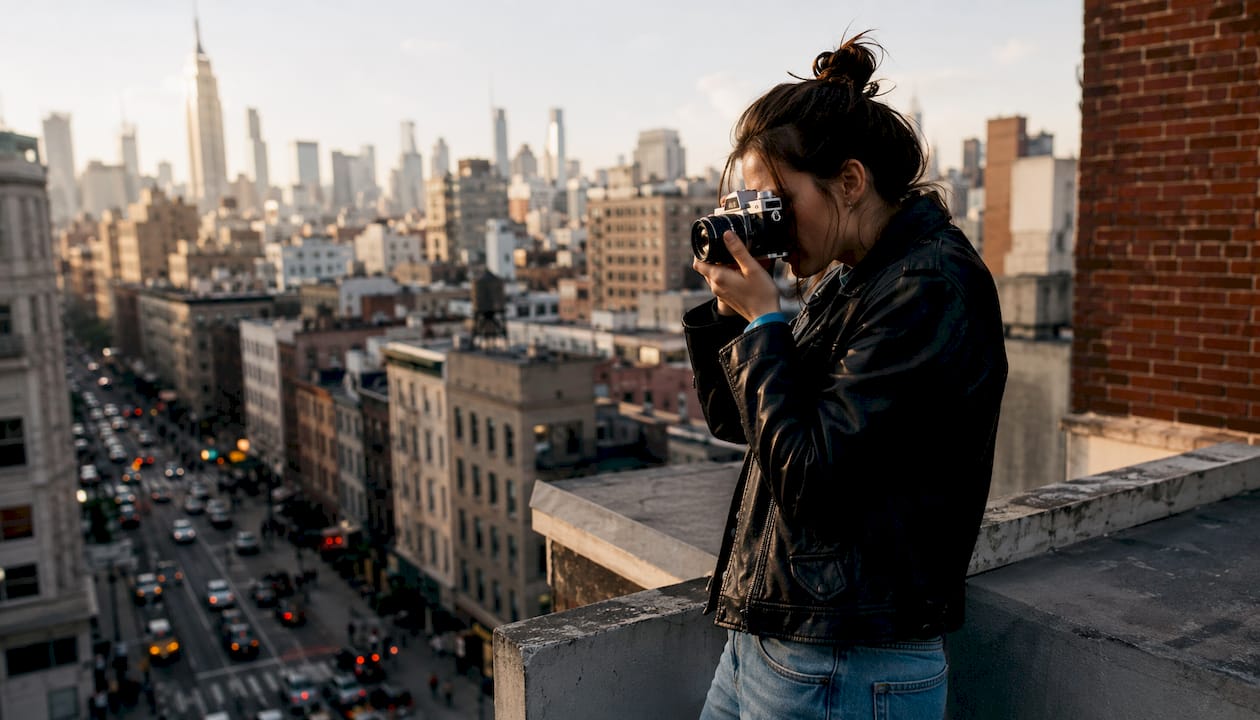
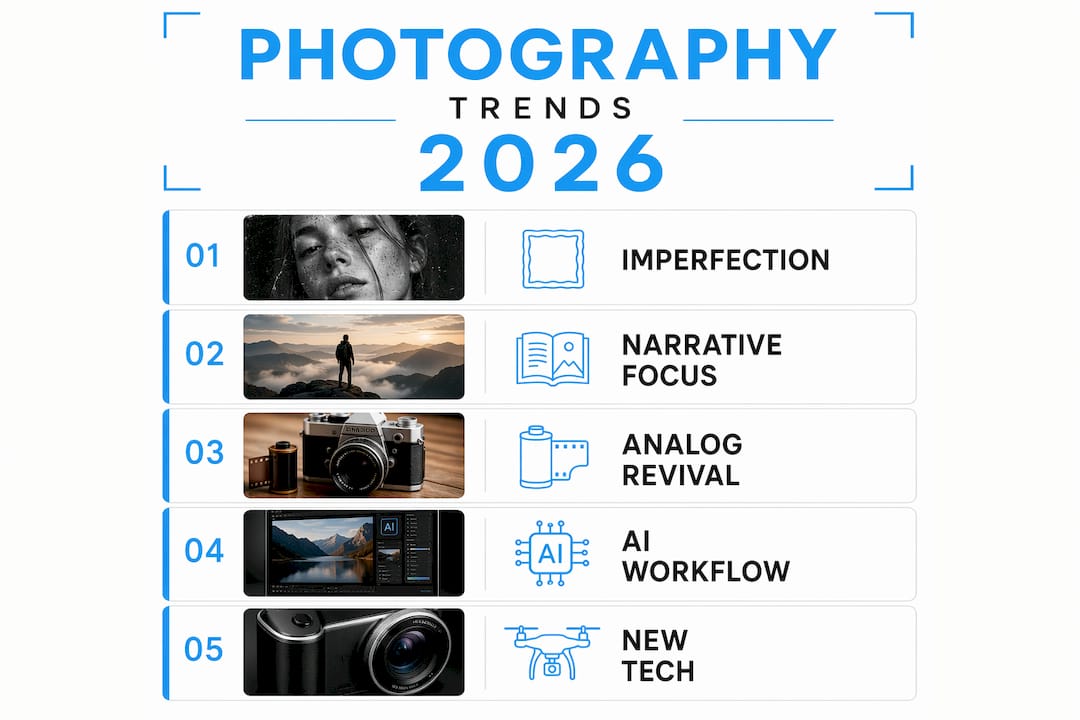
Three forces are reshaping photography in 2026, and none of them are about technical perfection. The industry is moving through a genuine realignment, not a passing aesthetic cycle, built around three transformative movements:
The Lo-Fi Rebellion. Grain, light leaks, and intentional blur have become the new currency of authenticity. Artists are embracing analog imperfection as a deliberate creative statement against clinical digital polish.
AI Collaboration. Photographers are not fighting artificial intelligence. They are using it quietly to handle culling, masking, and color work, freeing their attention for the human storytelling that software cannot replicate.
The Eco-Aesthetic. Landscape and documentary photography has evolved to chronicle the Anthropocene, turning ecological realities into urgent, visually arresting warnings about our impact on the planet.
Together, these three shifts signal something deeper than style. The camera remains a tool. The vision, the presence, the emotional intelligence behind the frame, those remain entirely human.
Photography trends 2026: why imperfection is the new standard
The most commercially successful photographers of 2026 are not the most technically flawless. They are the most emotionally present. AI can now automate flawless skin retouching, sky replacements, and exposure corrections at a level that was unattainable for most working photographers just three years ago. That capability has collapsed the market premium for technical execution, and the industry has responded by moving its value somewhere AI cannot follow.
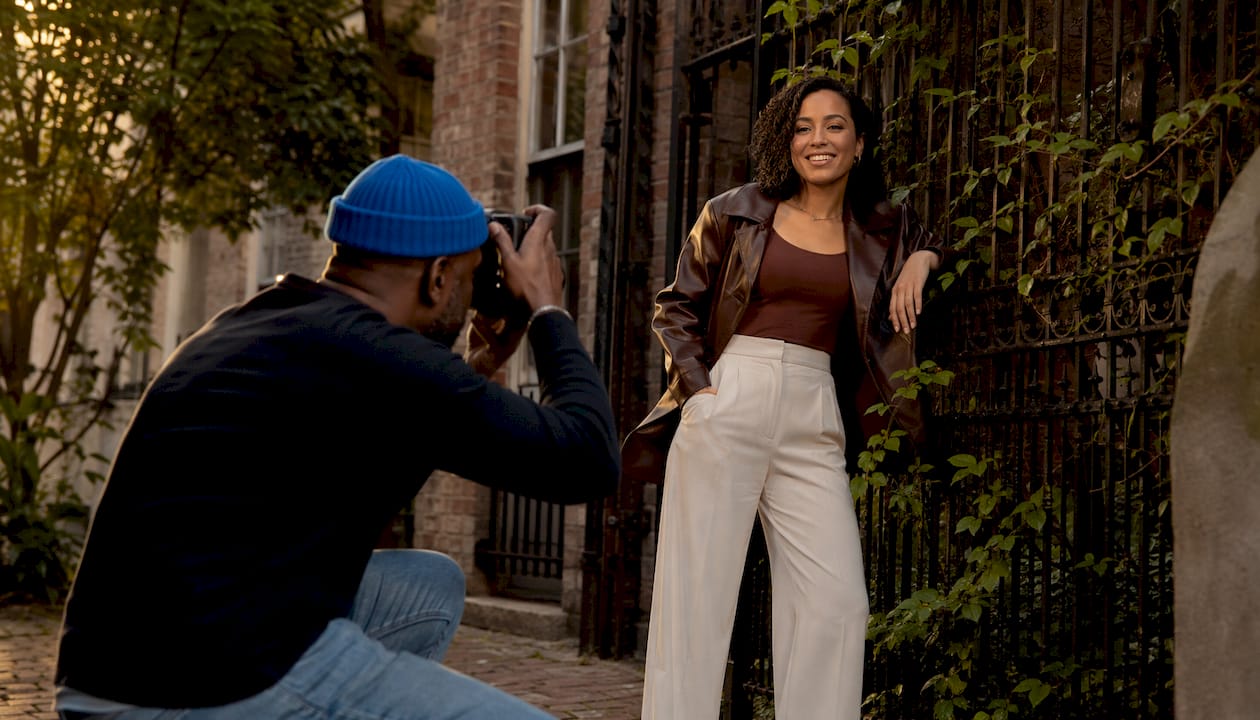
Visible grain, slightly imprecise framing, and focus that follows emotion rather than rule have become the visual markers that distinguish human photography from machine-generated imagery. A perfectly retouched portrait in 2026 looks like it could have been synthesized. An image with texture, a caught tear, a composition that feels observed rather than directed, that looks like a person was there.
Portrait photographer Tanya Smith put it plainly: “People are craving real expressions and real moments. Clients want to see personality-led brands, real people with real points of view, not just pretty photos.”
The economic premium in 2026 concentrates on presence, anticipation, and emotional intelligence. These are qualities AI cannot replicate because AI can only operate on what already exists in a frame. It cannot read a room, recognize that a father is about to cry, or decide where to stand. Photographers who build their practice around those capabilities are finding their work more valuable, not less, in an AI-saturated market.
Key markers of this aesthetic shift:
Visible, heavy grain used both digitally and in analog shooting
Motion blur treated as a creative tool rather than a technical failure
Candid, unposed expressions over directed poses
Minimal retouching that preserves skin texture and natural asymmetry
Color grading that reflects the photographer’s choice, not algorithmic optimization
How narrative and identity have become the core of portrait photography
Portrait photography in 2026 has moved decisively away from static, posed images toward dynamic storytelling. Clients, particularly entrepreneurs, creators, and professionals building personal brands, want imagery that communicates who they are, not just what they look like.
This shift carries real commercial weight. Photographers who position themselves as collaborators in a client’s visual narrative, rather than technicians executing a brief, are commanding higher fees and longer relationships. The brief has changed: clients are no longer asking for “a headshot.” They are asking for a body of work that expresses their values, personality, and story across multiple platforms.
Lifestyle and environmental portraits. Subjects photographed in their actual workspaces, studios, or natural environments rather than neutral studio setups.
Documentary-style brand sessions. Behind-the-scenes coverage of a client’s process, not just polished final moments.
Multi-image narrative arcs. Sequences designed to tell a story across a website, social profile, or editorial spread.
Cultural and community identity projects. Portrait series that document specific communities, subcultures, or generational experiences with depth and specificity.
Documentary photographer Paul Williams described the broader momentum: “Story-driven documentary work is rising fast. There’s a clear shift toward real moments, intimacy, and substance over style.”
Why analog photography is having its biggest moment yet
Film is not making a quiet comeback. It is, as Paul Williams predicted, exploding. The analog revival connects directly to the authenticity movement: film is inherently imperfect, and that imperfection carries emotional weight that digital simulation can approximate but not fully replicate.
Film grain searches have grown by 31% in recent periods, indicating increased interest in analog textures, a figure that reflects genuine behavioral change rather than casual curiosity. Photographers are adding visible, heavy grain to digital images, returning to actual film cameras, and using apps like Dazz Cam and Huji to simulate point-and-shoot output. The grain is not decoration. In 2026, texture communicates “a human made this” the way a handwritten signature communicates “a person wrote this.”
Technique | Analog original | Digital equivalent |
Film grain | Inherent to film stock | Grain slider in Lightroom or Capture One |
Light leaks | Physical film exposure | Overlay textures or in-camera effects |
Color shifts | Film stock chemistry | LUT-based color grading |
Soft focus | Lens and focus limitations | Selective blur in post-processing |
Vignetting | Optical falloff | Radial gradient in editing software |
What distinguishes the 2026 analog revival from earlier nostalgia cycles is intentionality. Photographers are not using these techniques because they lack technical control. They are using them because control, in a market saturated with AI-generated perfection, has become the wrong goal.
Shooting on 35mm point-and-shoot cameras for candid work
Embracing expired film stocks for unpredictable color rendering
Leaving light leaks and dust artifacts in final deliveries
Using heavy grain in digital work to signal human authorship
How AI collaboration is reshaping the photographer’s workflow
The most useful framing for AI in 2026 is not “replacement” or “threat.” It is workflow bifurcation. AI tools have split into two distinct categories: those that handle tedious, time-consuming tasks, and those that assist with creative generation. The photographers thriving in 2026 are using the first category aggressively and approaching the second with deliberate artistic judgment.
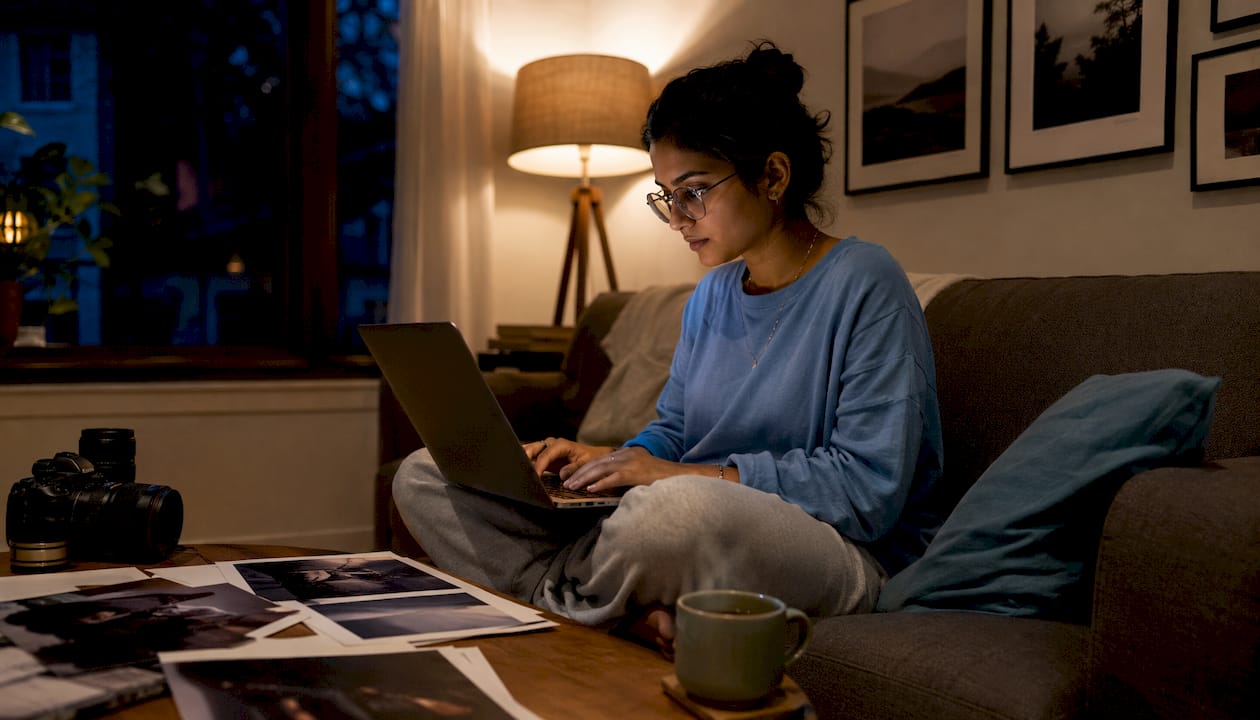
Aftershoot, the AI culling and editing platform, framed it precisely: “In 2026, AI doesn’t define the look of photography; it defines the efficiency of the workflow.”
Pro Tip: Use AI tools like Aftershoot for culling and batch color work, then step away from automation entirely for the final creative edit. The images where your judgment overrides the algorithm are the ones that will define your portfolio.
AI task | Time saved | Human role retained |
Image culling | High | Final selection and sequencing |
Masking and selection | High | Creative composition decisions |
Skin retouching | Medium | Emotional tone and texture choices |
Color grading | Medium | Signature style and mood |
Compositional suggestions | Low | Artistic vision and intent |
Portrait photographer Esther Kay put the division clearly: “AI will handle culling, editing, and color work. But the art remains human. The luxury look of 2026 is authenticity, real texture, real emotion, real connection.”
AI excels at: culling thousands of frames, intelligent masking, batch exposure correction, sky replacement
Photographers retain: physical presence, emotional reading of a scene, compositional instinct, narrative sequencing
The hybrid result: more time for human-led storytelling, with technical consistency handled by software
Emerging style trends shaping visual language in 2026
Beyond the three dominant movements, several complementary style trends are defining what photography looks and feels like across editorial, commercial, and social contexts this year.
Direct flash revival is perhaps the most immediately recognizable. Harsh, raw, on-camera flash produces sharp shadows, flat lighting, and a confrontational energy that feels pulled from a stolen moment. Fashion photographers started the revival; it has since spread into wedding, editorial, and product photography.
Cinematic color grading has moved from a specialty skill to a baseline expectation. Filmic lighting, rich color grading, and letterboxed framing have become standard tools for brand storytelling, driven by a generation of creators shaped by streaming culture and movie marketing aesthetics.
Pro Tip: For cinematic grading, apply a LUT in Capture One or Lightroom, then reduce the intensity to 60–70%. Full-strength LUTs read as filters; dialed-back LUTs are perceived as more natural color grading.
Additional emerging styles worth tracking:
Maximalism in composition. Dense, layered frames with bold color and deliberate visual complexity, a direct counter to the minimalism that dominated the previous decade.
Distorted lenses. Wide-angle and fisheye perspectives used for expressive distortion rather than spatial accuracy.
Muted earth palettes. Sage green, ochre, and dusty rose replacing the bright, saturated tones that defined social media through 2024. These colors photograph well in natural light, which ties them directly to the authenticity movement.
Vertical-first framing. The 9:16 aspect ratio now dominates TikTok, Instagram Stories, and YouTube Shorts. Composition must start in portrait orientation and adapt to horizontal second, reversing a century of default horizontal framing.
Style trend | Primary platform | Core technique |
Direct flash | Instagram, editorial | On-camera flash, harsh shadows |
Cinematic grading | YouTube, editorial | LUTs, letterboxing |
Maximalism | Instagram, print | Dense composition, bold color |
Earth palettes | All platforms | Natural light, warm white balance |
Vertical-first | TikTok, Reels, Shorts | 9:16 native composition |
What new camera technology makes possible in 2026
The hardware story of 2026 is largely about closing gaps. Global shutters are becoming standard across camera tiers, eliminating the rolling shutter artifacts that plagued mirrorless cameras during fast action and flash photography. For photographers working with direct flash or motion-heavy subjects, this is a meaningful practical gain.
Computational lenses, which use software corrections to compensate for optical limitations, are expanding what smaller, lighter lens designs can achieve. The image quality gap between high-end smartphones and entry-level dedicated cameras has narrowed considerably, though the choice between them now turns on creative control and shooting experience rather than raw image quality.
Pro Tip: When evaluating new mirrorless bodies, prioritize AI-assisted autofocus subject recognition over megapixel count. In 2026, subject tracking for animals, vehicles, and specific poses is mature enough to change what you can capture, not just how fast you can capture it.
Technology | Practical benefit | Who gains most |
Global shutter | No rolling shutter artifacts | Sports, event, flash photographers |
Computational lenses | Lighter gear, software-corrected optics | Travel, street photographers |
AI autofocus | Subject recognition across categories | Wildlife, wedding, sports photographers |
Multi-frame noise reduction | Clean images at high ISO | Low-light and documentary photographers |
The used gear market has grown substantially as photographers transition from DSLR systems to mirrorless. DSLRs are no longer in active development from major manufacturers, but used DSLR lenses represent exceptional value for photographers building out their kits on a budget.
How photography contests help you apply 2026 trends professionally
Engaging with the trends described above is one thing. Having a structured reason to push your work in a new direction, and a professional audience to evaluate it, is another. Photography contests offer exactly that combination, and the range of opportunities available in 2026 is broader than most photographers realize.
Forphotographersonly curates a continuously updated directory of 320–330 active international photography contests, awards, grants, and calls, including over 100 free-to-enter competitions. The directory covers contests organized by institutions including Nikon, Canon, Leica, and National Geographic, alongside independent festivals and niche competitions that often offer exceptional exposure without the entry fees of major awards.
For photographers working with the trends covered here, contests serve several concrete functions:
Validation of new aesthetic directions. Submitting lo-fi or documentary work to a juried competition tests whether your intentional imperfection reads as deliberate craft to an expert audience.
Portfolio development with purpose. Contest deadlines create productive pressure to complete bodies of work rather than leaving them as ongoing projects.
Editorial visibility. Publication in contest catalogs and festival programs reaches curators, art directors, and editors who are actively seeking new voices.
Community and peer recognition. The Forphotographersonly member community provides a peer context for discussing how emerging styles translate into competitive submissions.
For photographers looking to align their practice with the visual culture of 2026, the photo contests directory at Forphotographersonly is updated weekly, so the opportunities listed always reflect current deadlines and themes.
How social media platforms are driving compositional change
Social platforms are no longer just distribution channels for finished photography. They are actively shaping how photographers compose, light, and sequence images at the point of capture. The vertical-first framing shift is the clearest example: composing natively for 9:16 at shoot time, rather than cropping a horizontal frame later, produces fundamentally different images with different spatial relationships and subject placement.
TikTok, Instagram Reels, and YouTube Shorts have made the vertical frame the default context for most image consumption. Pinterest reinforces vertical composition. The practical implication is that photographers shooting for social-first clients must plan their framing before they raise the camera, not after. Behind-the-scenes documentary content, screenshot aesthetics, and mixed-media overlays are all formats that originated on social platforms and have migrated into editorial and commercial briefs.
For photographers building their visual content presence, understanding how platform algorithms favor certain formats and aspect ratios is as important as understanding lighting. The photographers gaining the most traction in 2026 are those who treat platform context as a creative constraint, not an afterthought.
Sustainability and eco-conscious practices reshaping how photographers work
Environmental consciousness is now a purchasing and practice decision for a growing segment of the photography community. The used gear market has expanded well beyond budget-conscious buyers. Photographers are choosing used equipment as a deliberate sustainability choice, and manufacturers are responding with longer product cycles, reduced packaging, and a greater emphasis on repairability.
The Eco-Aesthetic extends beyond gear purchasing into subject matter. Documentary and landscape photographers are increasingly framing their work around the Anthropocene, capturing the visible evidence of human impact on ecosystems, coastlines, and urban environments. National Geographic has long championed this kind of environmental storytelling, and its influence on what contest judges and editorial directors consider compelling work is substantial.
Practically, eco-conscious photography practice in 2026 includes buying used bodies and lenses rather than new, choosing manufacturers with transparent repairability policies, and reducing travel footprint by working more deeply within local environments rather than chasing distant locations.
How virtual and augmented reality are expanding photographic presentation
Virtual reality and augmented reality are changing not just how photographs are made but how they are experienced. Immersive gallery formats, 360-degree environmental photography, and AR-enhanced print experiences are creating presentation contexts that flat images cannot occupy. For photographers working in architectural, travel, real estate, and documentary genres, these formats represent a genuine expansion of the medium’s expressive range.
Light field capture, which produces images that can be refocused after the fact, is moving from experimental to practical. The ability to adjust depth of field in post-processing, with results that rival optical bokeh, gives photographers a new dimension of creative control that was previously impossible outside of computational photography on smartphones. As VR headsets become more accessible and AR integration in social platforms deepens, photographers who develop fluency with immersive formats will find themselves ahead of briefs that have not yet been written.
Key Takeaways
The defining photography trend of 2026 is the shift from technical perfection to human presence, with AI handling workflow efficiency while photographers concentrate on emotional intelligence, narrative, and the analog authenticity that machines cannot replicate.
Point | Details |
Imperfection signals authenticity | Grain, motion blur, and candid moments distinguish human photography from AI-generated imagery. |
AI belongs in the workflow, not the art | Tools like Aftershoot accelerate culling and color work, freeing photographers for creative storytelling. |
Film grain searches have grown by 31% | Analog texture has become a trust signal; visible grain communicates human authorship in a saturated market. |
Vertical-first framing is now standard | Composing natively for 9:16 at shoot time, not cropping later, is the new baseline for social-first work. |
Contests accelerate trend adoption | Submitting to juried competitions tests new aesthetic directions and builds editorial visibility with purpose. |

Photography in 2026 values photographers who commit to a distinct point of view. Whether embracing lo-fi aesthetic, building documentary practices, or using AI to streamline workflow, the focus is on authenticity, presence, and human vision where value concentrates.
Forphotographersonly exists to connect that vision with the world’s best opportunities. With over 320 active contests, including competitions from Nikon, Canon, Leica, and National Geographic, the photography contests directory gives you a structured, curated path to put your 2026 work in front of the audiences and juries that matter. For just €6 per month, you gain access to a weekly-updated directory of international competitions, grants, and awards, including over 100 free-to-enter opportunities. Your work deserves to be seen. Explore the directory and find the competitions that fit where your photography is going this year.
Recommended