320 Photo Essay Contests for Photographers, Image Counts & Fee Waivers
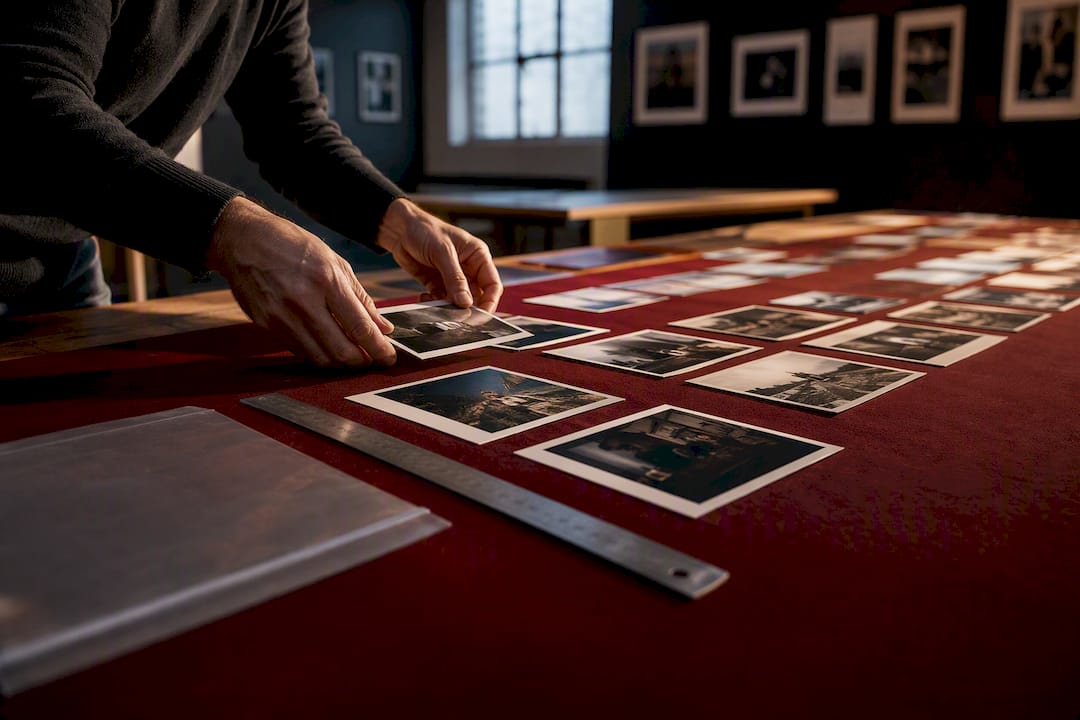
Several major photo essay contests are accepting entries this cycle, including the Sony World Photography Awards Series category, LensCulture’s series calls, Banff Centre’s Mountain Photo Essay competition, the Eyeshot Open Call, MonoVisions series awards, and National Geographic’s storytelling contests, each asking for a tight sequence of images rather than one hero shot; specific image counts vary by contest. Before you touch your edit, open the official contest page for each and confirm the current deadline, image count, and file specs. Rules shift year to year, and assumptions cost entries.
TL;DR:
Most photo essay contests accept between 5 to 15 images, with specific rules on sequencing, captions, and technical specs varying by event.
Entry criteria typically include a brief series description, individual captions, and compliance with file size, format, and metadata requirements.
Recognizing past winners and judging panels helps gauge which contests align with your style and goals, especially for exhibition or publication.
Carefully read contest rules to avoid disqualification, particularly around file specifications, model releases, and AI image restrictions.
Using a curated, regularly updated contest directory can save time and improve submission timing and strategy.
Table of Contents
Photo Essay Contests Currently Accepting Entries
Every contest on this list treats the photo essay as its own art form, distinct from single-image categories, and each publishes its own quirks worth knowing before you submit.
Sony World Photography Awards, Series category. Asks for 5 to 10 images plus a written series description that frames the narrative. The Series competition rewards projects where sequencing does real work, not just strong individual frames, and winners gain international exhibition exposure alongside cash prizes.
LensCulture Street Photography Awards. Offers both single-image and series entry formats, with series fees and a 30% student discount applied automatically at registration. A free single-image entry option exists too, which makes it a low-risk way to test the waters.
Banff Centre Mountain Photo Essay competition. Built for photographers working in mountain culture, adventure, and landscape storytelling. The Banff Centre’s photo essay page lists explicit image-count rules and exhibition outcomes tied to its annual mountain festival.
Eyeshot Open Call. Accepts singles or full series of 9, 12, or 15 images, and a strong series can be considered for a funded photo book. The Eyeshot Open Call also adjusts entry fees by country income level, so check the payment page before assuming it is out of reach.
MonoVisions Photography Awards. A genre-specific black-and-white contest with a series cap of 8 photos and tiered pricing, cheaper if you enter early. Full details sit on the MonoVisions Photography Awards site.
Royal Meteorological Society, Weather Photographer of the Year. Free to enter for everyone, no fee tier, no student discount needed. The competition page confirms this, making it an easy first contest for anyone building a weather or landscape series.
National Geographic contests and the Nikon Film and Photo Contest. Both maintain recurring “photo story” categories built around narrative sequencing rather than a single decisive moment, and both showcase past winners publicly, which is worth studying before you submit.
If you’re a student, start with LensCulture or Eyeshot. Both build fee accommodations into the entry process, and neither requires you to already have gallery representation to be taken seriously.
What Photo-Essay and Series Competitions Usually Require
Most series categories converge on similar rules once you look past the branding. Knowing the pattern saves you from re-editing a project for every deadline.
Pro Tip: Build your series to the smallest common denominator across contests you’re targeting. An 8-image sequence works for MonoVisions and slots neatly inside Sony’s 5-to-10 range too.
Series length typically runs 5 to 10 images, though Eyeshot allows up to 15 and MonoVisions caps at 8. A single strong photo essay, edited well, often adapts across two or three contests with only minor trims.
Beyond image count, expect these recurring demands:
A written series description, usually 100 to 300 words, explaining the project’s intent and context.
Individual captions under roughly 50 words each, specific rather than poetic.
Technical specs: JPEG files, sRGB color profile, and a file size ceiling, commonly between 5MB and 25MB depending on the contest.
Clear file naming conventions and stripped or standardized metadata.
Model releases for identifiable subjects, and explicit disclosure requirements around AI-generated or AI-manipulated images, since most major contests now ban or restrict them outright.
Jurors consistently emphasize narrative excellence as a judging criterion distinct from technical polish. A technically flawless set of unrelated strong images will lose to a rougher set that tells a coherent story.
How to Choose Which Photo Essay Contests to Enter
Not every contest deserves your entry fee or your time. Match the opportunity to what you actually need this year.
Name your goal first. Are you chasing cash, gallery exhibition, magazine publication, or simply a portfolio credit? Sony and Banff lean toward exhibition and prestige; Eyeshot leans toward publication through its book prize.
Weigh the fee against the realistic payoff. A $45 series fee makes sense if the prize includes exhibition or publication, but shop for student discounts and free-entry categories like the Royal Meteorological Society’s before assuming a contest is unaffordable.
Research the jury and past winners. Contest pages usually list judging panels and prior winning entries. If your work doesn’t share any visual or thematic DNA with what’s won before, that contest may not be your best fit this cycle.
Read the rights and licensing language closely. Some competitions request extended usage rights for promotional purposes; know what you’re granting before you click submit.
Shortlist three contests and stagger the deadlines. Submitting to all three on the same date means editing under pressure. Space them out so you can revise your sequence between submissions.
Pro Tip: Fee waivers exist more often than photographers assume. Country-based fee adjustments are becoming standard practice, not a rare exception, so always check the payment page before writing off a contest as too expensive.
How to Prepare a Photo Essay That Actually Wins
Start with an editorial brief before you touch your archive: what is the theme, who is the protagonist, what is the emotional arc, and who is the intended viewer? Skipping this step is why so many otherwise strong submissions read as a loose folder of nice photos rather than a story.
Sequencing is where most entries fall apart. A photo essay needs an opening image that establishes place and tone, a middle stretch that develops the story through variation in scale and rhythm, and a closing frame that resolves or deliberately leaves the story open. Avoid two images doing the same job, and keep exposure, color grading, and sharpness consistent across the set. A juror scanning ten essays in ten minutes notices inconsistency before they notice brilliance.
Your series description and captions carry real weight in judging. Write them specific and concrete, not generic (“a fishing village in decline” beats “a story about change”), and let the images carry the emotional lift while the text supplies context. Never let a caption repeat what’s already visually obvious.
Test two different sequences of the same images with a peer or mentor and compare what each version implies about the protagonist and theme.
Confirm color profile, exposure consistency, and file naming across the entire set before export.
Double check that your series description word count matches the contest’s stated range.
Keep a simple contact sheet with your submission so you have a record of exactly what version you sent where.
Techniques for visual storytelling and sequencing that work for brand narratives apply just as directly to contest editing. The underlying skill, building an arc across a limited set of images, is the same.
Submission Logistics and Mistakes That Cost Entries
Most disqualifications trace back to skipped steps, not bad photography. Work through submissions in this order:
Read the official rules page in full, including the fine print on rights and eligibility.
Draft your series description and captions before exporting final files, so text and images match.
Export to the exact spec: correct color profile, file type, resolution, and size ceiling.
Do a test upload early, not on deadline day, to catch platform errors while there’s time to fix them.
Confirm receipt by email or account confirmation, and save that confirmation.
The most common errors: submitting in Adobe RGB instead of sRGB, exceeding file-size limits by a few megabytes, forgetting model or property releases for recognizable people or private property, and running afoul of AI-manipulation rules that many contests now enforce strictly. If a fee waiver or student discount is available, request it early. International deadlines are usually stated in the organizer’s local time zone, so convert carefully rather than assuming your local midnight.
Why a Curated Contest Directory Saves You Hours
Tracking deadlines across dozens of contest websites eats time you could spend editing. Forphotographersonly maintains a single directory of 320 to 330 active international contests, updated weekly, with more than 100 completely free-to-enter listed.
Each entry carries deadline, genre tag, fee or waiver flag, and a direct link to the official submission page.
Filters let you isolate photo essay and series categories instead of scrolling past single-image contests.
Weekly updates mean a new call, like an Eyeshot cycle or student-focused competition, rarely slips past unnoticed.
A Note on Persistence and Editing Between Entries
The photo essays that eventually win are rarely the first version submitted anywhere. Revise your sequence between contests instead of resubmitting the same edit everywhere unchanged. Enter fewer contests with sharper intent rather than scattering the same set widely and hoping volume wins.
— DARIO
Get a Weekly-Updated Feed of Photo Essay Contests
A curated directory can be an alternative to hunting across dozens of scattered contest websites: having a single continuously updated page can replace the weekly search through Sony, LensCulture, Eyeshot, and many other organizer sites individually. Some directories offer a single feed of hundreds of active contests, filterable by genre and fee type, with free-to-enter opportunities flagged so budget never rules out a strong match.
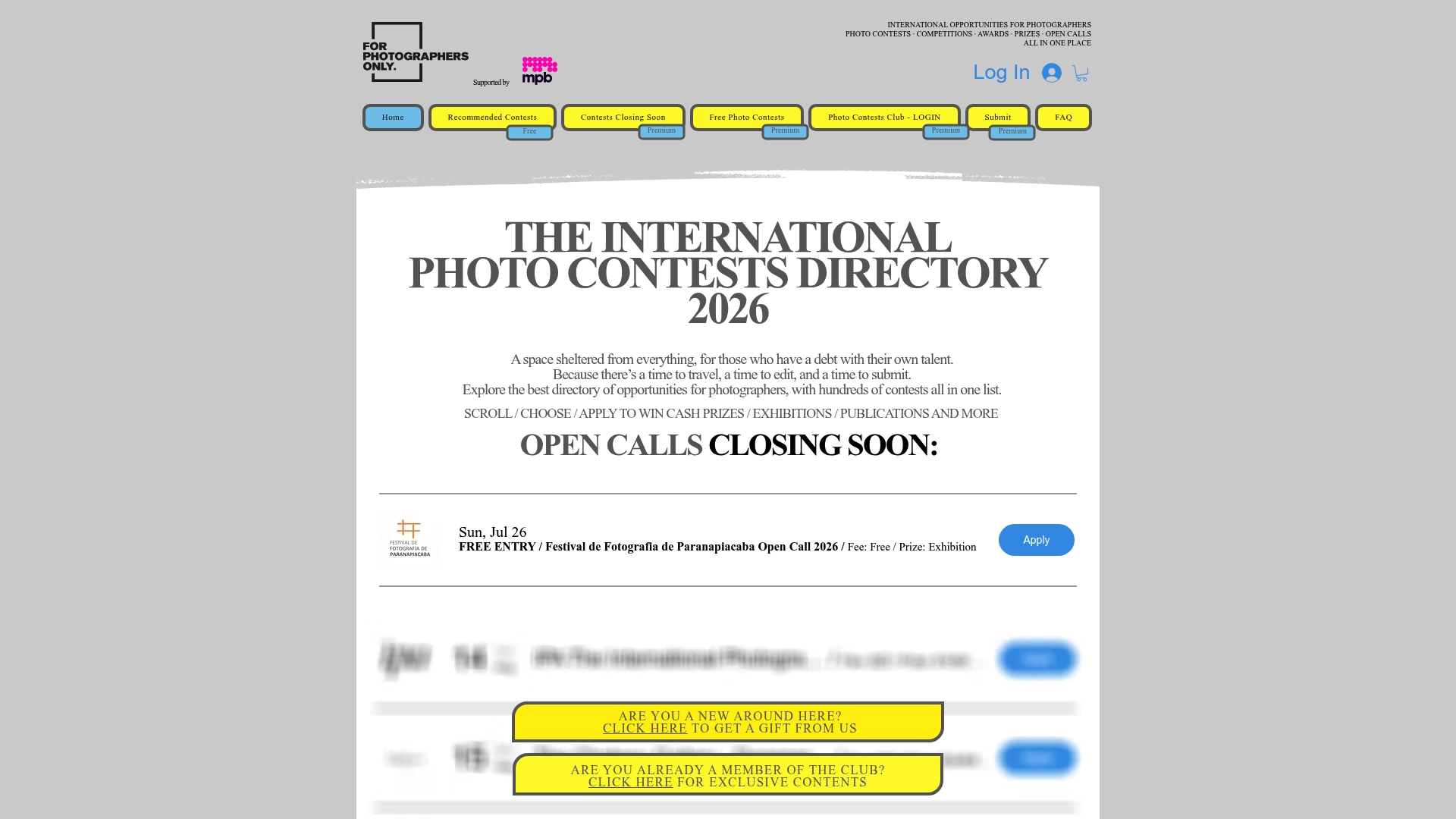
A monthly subscription unlocks the full list along with member-only opportunities and a community built specifically for photographers chasing exhibition, publication, and prize recognition. A free trial is available, so there’s no reason to keep bookmarking contest pages one at a time. Visit Photography Life to start your trial and see this cycle’s open photo essay calls today.
Sources
Recommended