320+ Magazine Photo Contests: Publisher Backed Submission Checklist

Start with a curated directory, then shortlist contests that offer publication, cash, or exhibition, not just a certificate. Magazine photo contests worth your time include World Press Photo, National Wildlife, Conservation Mag, and F-Stop Magazine, alongside recurring open calls from smaller literary and art titles. Balance a few free entries against one or two paid contests with real editorial reach, and treat legitimacy checks as non-negotiable before you submit.
TL;DR:
Focus on contests that offer publication or exhibition rather than just certificates, and verify their legitimacy before submitting.
Prioritize contests with clear rules, named judges, past winners, and transparent prize fulfillment details to avoid scams.
Tailor your submission to match the contest’s theme and format, sequencing images logically and including supporting statements.
Ensure your files meet technical standards, have accurate metadata, and include necessary releases to prevent disqualification.
Use curated directories to find active calls efficiently and stay updated on deadlines, reducing time spent on research.
Table of Contents
Notable Magazine Photography Competitions Worth Your Attention
Not every open call deserves your best frames. Some magazine photography competitions offer genuine editorial reach and career value; others are thin operations chasing entry fees. Here is a working shortlist, spanning prestige international contests and steady magazine calls, to help you match ambition with opportunity.
World Press Photo — the annual contest recognizing top photojournalism worldwide, with published rules, defined timelines, and a public winners archive. Free to enter for many categories; prestige and exhibition placement, not cash, is the draw.
National Wildlife Magazine — runs an annual photo contest with published winners and a defined entry window; nature and conservation themes dominate. Entry fees apply, but publication in a national title is the payoff.
Conservation Mag — the 2026 Photography Awards emphasize ethical photography and offer editorial certification plus exposure to scientists and educators, with clear categories and dates.
F-Stop Magazine — publishes themed issues and accepts limited image sets, often free to enter, with a strong track record of featuring emerging documentary and fine art photographers.
VOICE (Click Magazine) — pairs publication with cash prizes and sometimes limited edition books, a rare combination worth chasing if your portfolio leans narrative.
PhotoED Magazine — issues regular themed calls for entries aimed at emerging and educational photography, often free.
All About Photo Magazine — runs recurring exhibition and contest calls, plus separate open call opportunities that combine online exhibition with magazine features.
SEE:ZEEN Magazine — an issue-based open submission model that rewards photographers who can build a themed series rather than submit single images.
National Geographic — rarely runs formal contests but regularly features reader photography through editorial calls; competition for space is fierce, so treat it as an aspirational target rather than a reliable annual entry.
Roundups like ExpertPhotography’s list of magazines accepting submissions are useful for spotting additional calls beyond this shortlist, especially smaller regional and niche titles.
How Do You Know a Photo Contest Is Legitimate?
Before you send your best work anywhere, run a quick legitimacy check. Most reputable magazine photo submission guidelines share the same trust markers, and their absence is a warning sign.
Confirm the contest lives on the publisher’s own domain, with a visible masthead, ISSN, or clear parent organization.
Look for a public gallery of past winners with named photographers, not just stock-style sample images.
Check that judges are named, with verifiable bios or professional profiles you can cross-reference.
Read the prize fulfillment language: does it specify how and when cash, publication, or exhibition happens?
Test contactability. A working email or contact form, and evidence the organization responds, matters more than a slick website.
Red flags include vague or missing winner archives, requests for exclusive and indefinite rights to your images, promises of “guaranteed exposure” with no specifics, and no verifiable way to reach a human. Cross-check any unfamiliar magazine against library or ISSN records, independent photography press, and social proof from photographers who’ve actually placed there.
Pro Tip: Search the contest name alongside “winners” and the previous year. If nothing surfaces beyond the contest’s own site, treat that as a signal to dig deeper before you pay an entry fee.
What Editors Actually Look for in a Submission
Technical polish gets you in the door. Storytelling gets you published. Editors at literary and art magazines consistently favor images with emotional or narrative weight over technically flawless but flat compositions. The Sun Magazine, for instance, explicitly prefers black-and-white photography rooted in storytelling, and holds accepted images on file until an issue’s theme fits.
That editorial preference for narrative fit over surface perfection shows up across most magazine photography competitions, not just literary titles. Before you submit, read the actual call for entries twice. Note the theme’s exact wording, the categories, and any stated preference for series versus single images.
Then tailor your entry:
Sequence your strongest 3 to 6 images so they build a visual argument, not a random grab bag from your portfolio.
Cut anything that repeats a composition or mood you’ve already shown in the set.
Write a project statement that explains the “why” behind the images, not just the “what.”
Match captions to the publication’s tone. A conservation magazine wants different language than an art quarterly.
Editors reward fit over flash. A well-sequenced set of five honest images usually beats twelve unrelated “greatest hits” shots, because editors are building a page or a spread, not judging a slideshow.
Getting the Technical Details Right Before You Submit
Most rejections have nothing to do with talent. They come down to overlooked specs. Nail these before you hit submit.
File format and resolution: high-resolution JPEG or TIFF is standard for print consideration; check the specific magazine’s stated minimum resolution rather than assuming.
Color profile: sRGB is the safest default unless the publication specifies otherwise.
Naming and metadata: use clear file names and embed accurate captions and credit lines directly in the metadata, not just the email body.
Releases: carry model and property releases for any recognizable person or private property, and store signed originals separately from your submission files.
Image limits: F-Stop Magazine, for example, caps entries at a defined number of images per themed issue. Respect that ceiling exactly.
Pro Tip: Keep a simple spreadsheet logging every contest name, deadline, fee, and submission date. It takes five minutes and saves you from missing a follow-up or double-submitting the same series.
Finding New Magazine Calls Without Losing Hours to Research
Publishers’ own submission pages are the most reliable source, but they’re scattered across hundreds of individual sites, each with different formats and update schedules. Independent roundups help too, though they go stale fast once deadlines pass.
A curated directory solves the scattering problem directly. Instead of checking a dozen bookmarked magazine sites weekly, you get:
Filters by fee (free versus paid), genre, and deadline, so you’re not wading through irrelevant calls.
Weekly updates that catch new calls before they fill up or close early.
A single reference point instead of a folder of half-remembered links to magazine “submit” pages.
Set alerts for the genres you shoot, save deadlines as you find them, and follow individual publisher feeds for anything niche enough to fall outside broader roundups.
What Happens After You Hit Submit
Entry windows, judging periods, and notification timelines vary widely, so plan for patience. National Wildlife’s 2026 contest ran from January 14 to March 29, a fairly typical entry window, with judging and notification following in the months after close.
Publication itself can lag further. The Sun Magazine holds accepted images on file for months until an issue’s theme fits, so acceptance and print appearance are two separate events.
Entry fees: free entries are common and worth prioritizing early in your search; paid entries in the $10 to $30 range are typical for established titles, and anything charging significantly more without clear prize value deserves scrutiny.
Rights: reasonable contracts request first publication rights or a limited license tied to promoting the contest itself. Push back on any request for exclusive, indefinite, worldwide rights to your original files. That’s a bigger ask than most magazine exposure is worth.
Why Submissions Get Disqualified (and How to Avoid It)
Most disqualifications are avoidable, and they rarely have anything to do with image quality. Reading the fine print carefully solves the majority of these problems before they happen.
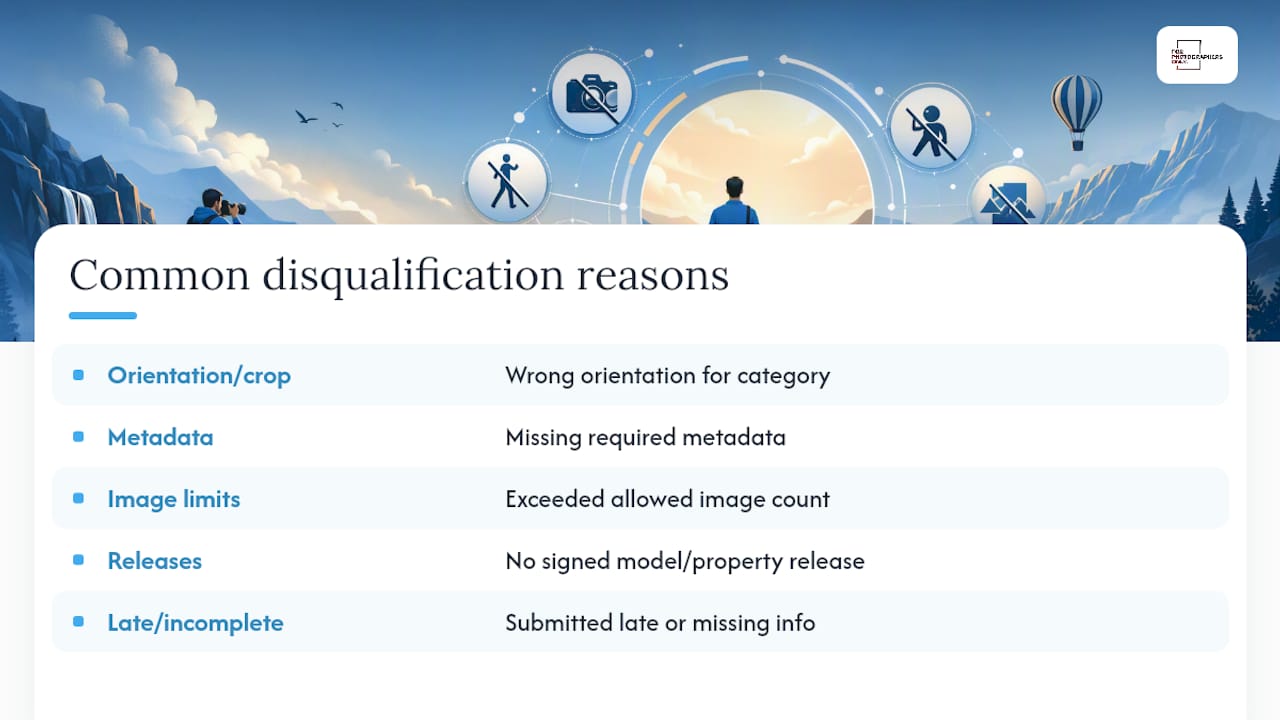
Wrong orientation or crop for the category trips up more photographers than you’d expect. Cover-focused categories often require portrait orientation with compositional space reserved for a masthead; a stunning landscape shot simply won’t fit the brief, regardless of quality.
Missing or incomplete metadata is another common cause. If a contest requires embedded captions, credit lines, or specific file naming, and you submit a generic export straight from your camera, expect rejection on a technicality rather than merit.
Exceeding image limits disqualifies more entries than most photographers realize. If a themed issue caps submissions at a set number of images, sending more doesn’t show enthusiasm. It shows you didn’t read the guidelines.
Missing releases are a frequent, entirely preventable problem. Any recognizable person or private property in your frame typically needs a signed release, and magazines will not gamble their legal exposure on your assurance that “it’s probably fine.”
Late or incomplete entries round out the list. Submitting the day a window closes, without buffer for upload issues or formatting fixes, is a risk you don’t need to take.
Read the call for entries twice, follow the format instructions to the letter, and submit at least a few days before the deadline. That alone eliminates most avoidable rejections.
Beyond Cash: Exhibitions, Networking, and Long-Term Career Value
Cash prizes and publication get the headlines, but they’re not the only reason to enter. Contests tied to a cause, conservation, human rights, and community documentation among them, often deliver career value that outlasts any single check.
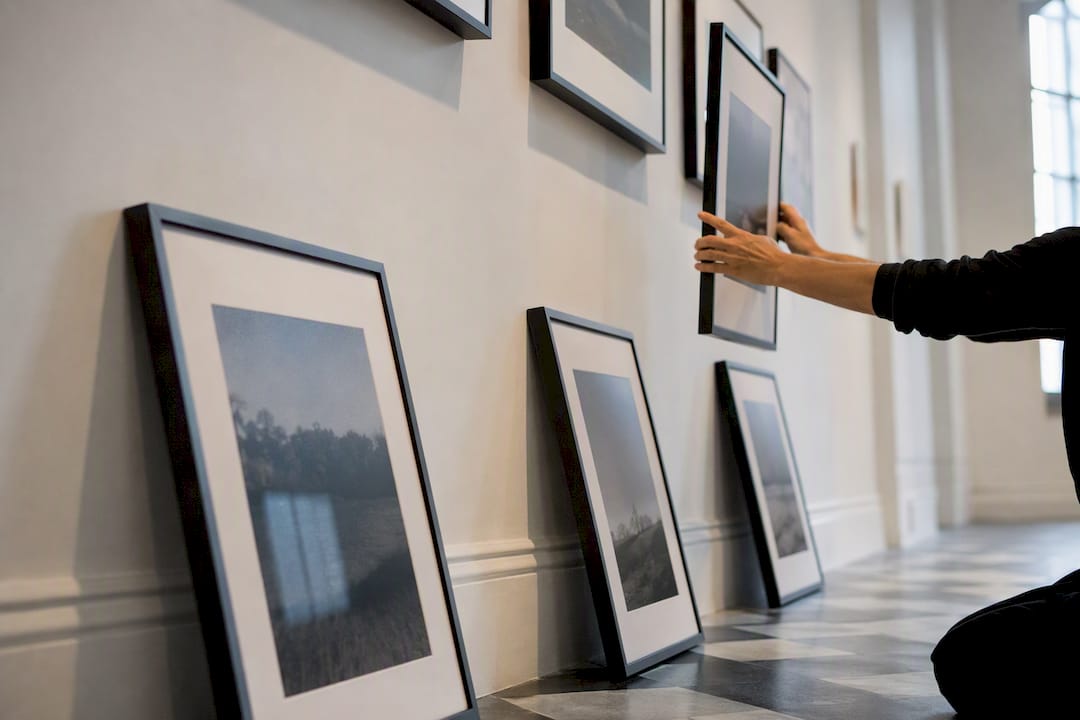
Exhibitions put your physical prints in front of gallery visitors, curators, and other photographers, which is a different kind of exposure than a magazine page. Several contests in this shortlist, including entries tied to Conservation Mag and All About Photo Magazine, pair publication with gallery or online exhibition placement.
Networking and community access matter more than most photographers initially credit. Contests connected to established institutions introduce you to editors, curators, and fellow entrants who may become future collaborators or referral sources. A juried show is as much a room to be seen in as a wall to hang work on.
Portfolio credibility compounds over time. A verified placement in a recognized magazine contest becomes a permanent, checkable line in your bio, the kind of detail that separates a serious applicant from a hobbyist when you’re pitching editorial work or gallery representation down the line. Contests attached to causes you genuinely care about tend to deliver this kind of long-term recognition alongside whatever prize package they offer.
Weigh these non-cash outcomes when you’re deciding where to spend a limited number of entry fees and hours preparing a submission.
A Publisher’s Note on Curating Contests That Matter
We track over 320 active photography opportunities, updated weekly, precisely because most photographers don’t have time to check a hundred individual magazine sites. We do not run these contests ourselves. We vet and list them.
If you take one thing from our editorial approach: prioritize contests matching your visual narrative, and confirm they publish real winners before you invest a submission fee.
— DARIO
Turn Publication Goals Into a Weekly Habit, Not a Scramble
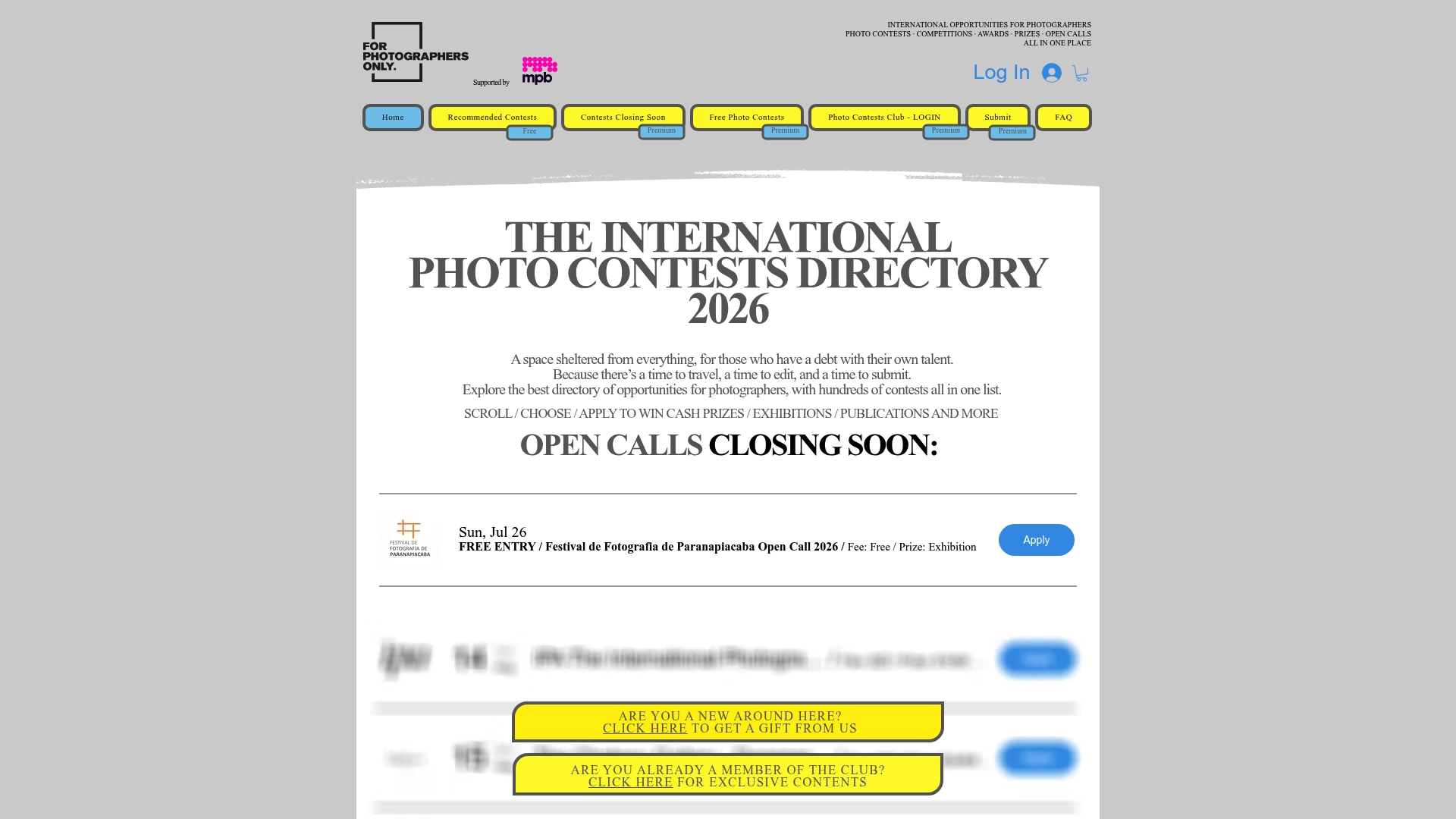
Forphotographersonly exists so you’re not hunting across dozens of scattered magazine websites every time you want to submit. For $6 a month, you get one continuously updated page listing more than 320 active contests, filterable by fee, genre, and deadline, including over 100 free-to-enter opportunities you’d otherwise never find in time.
That saved research time translates directly into more consistent submissions, which is usually the real difference between photographers who eventually get published and those who don’t. If you’re building toward recognition beyond contests, pairing that publication history with stronger visibility is worth exploring through resources like SEO support built for photographers, so editorial wins actually convert into bookings.
One current listing worth checking now is the Robert Giard Grant for emerging LGBTQ+ photographers, a solid example of the kind of curated, mission-driven opportunity our directory surfaces every week. Start your free trial and see what’s currently open before the next deadline passes you by.
Where to Verify Contest Rules and Submission Guidelines Directly
Always confirm details on the publisher’s own page before submitting. Each link below gives you rules, past winners, or a direct entry portal.
World Press Photo Contest — official rules, timeline, and winners archive.
National Wildlife Photo Contest — entry windows and published past winners.
The Sun Magazine submission guidelines — photography preferences and process.
F-Stop Magazine submissions — themed issues and image limits.
Conservation Mag Photography Awards — categories, dates, and ethical guidelines.
PhotoED Magazine’s Issue #76 call — an example open call with submission specifics.
Sources
Recommended